
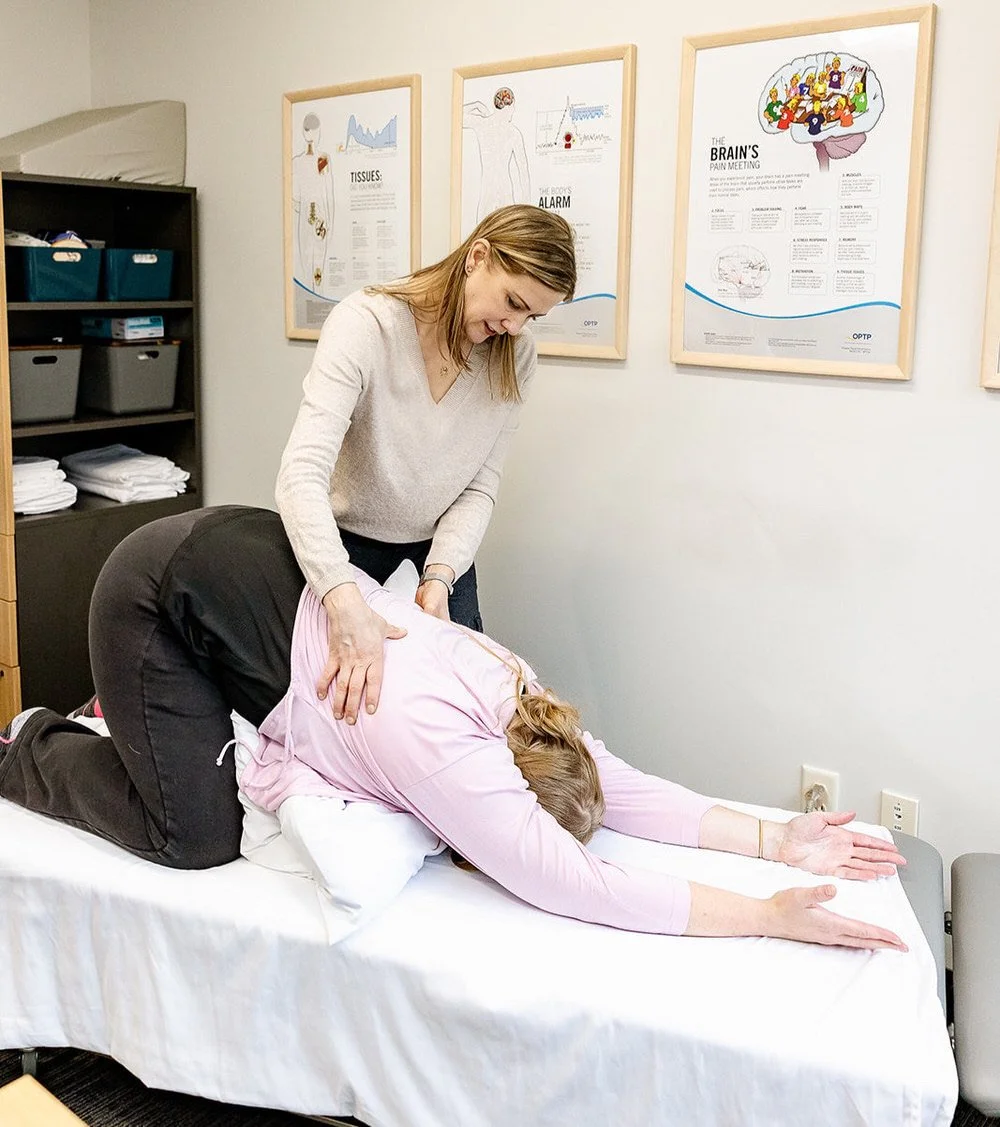
Pelvic Floor Physical Therapy Services in Edina, MN
While everyone has a pelvis and pelvic floor muscles, different bodies have different needs. By offering tailored treatment plans, we address your unique needs with sensitivity and respect. Our goal is to provide an inclusive environment for all people. We are deeply passionate and dedicated to providing the best pelvic health care to all people.
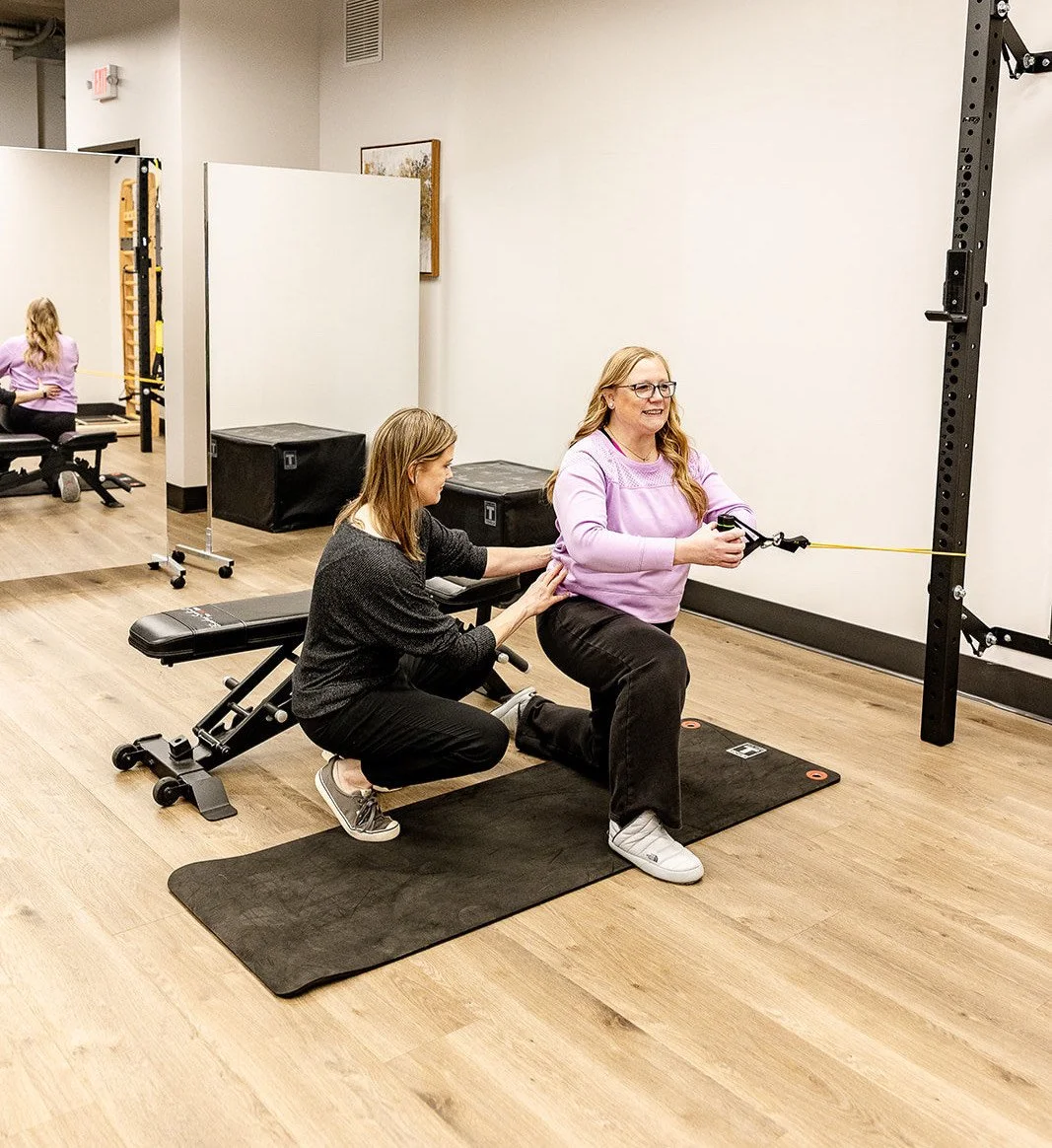
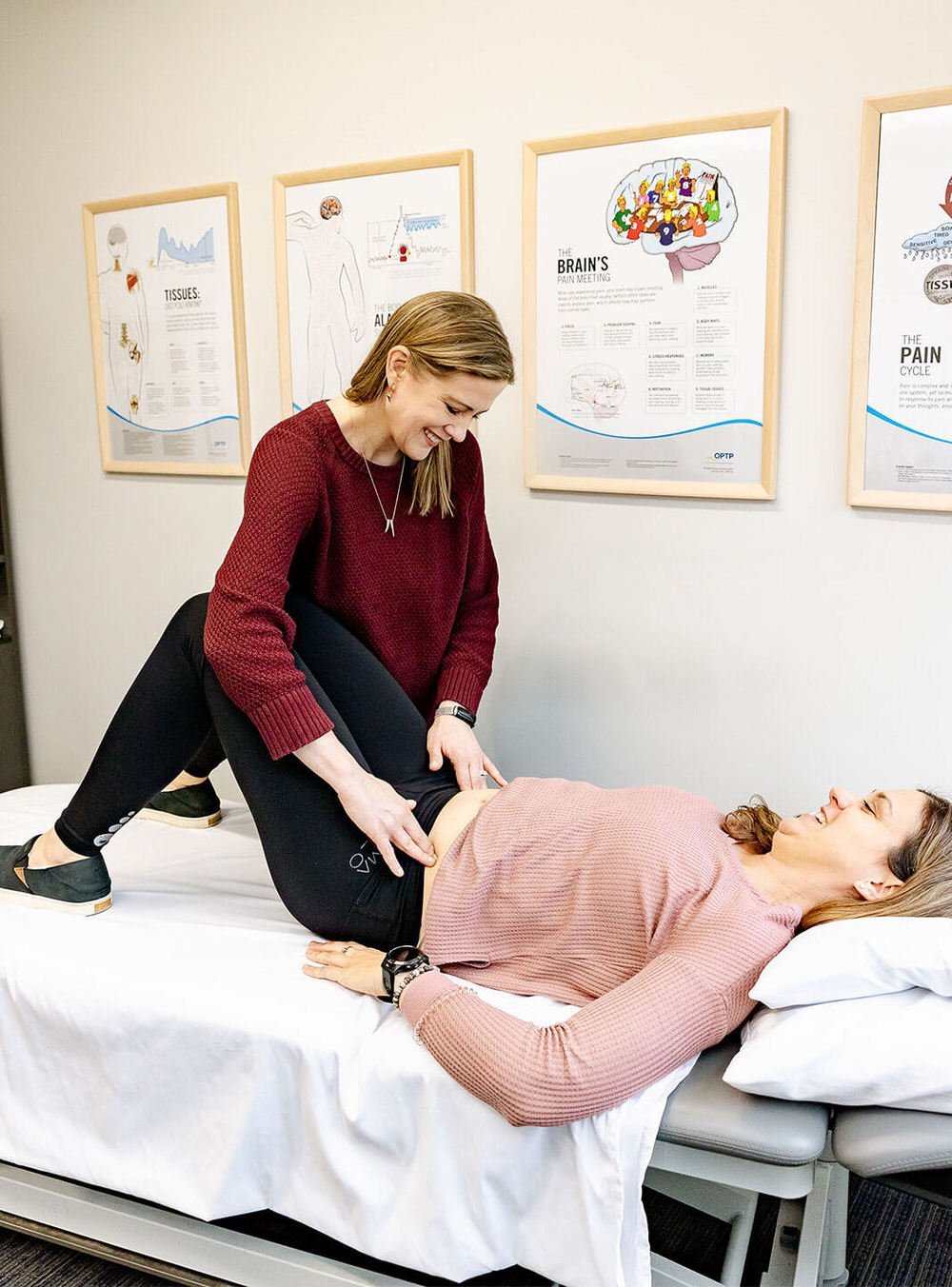
Studio
A quiet space away from distractions, our studio options are the perfect choice. Come on in!
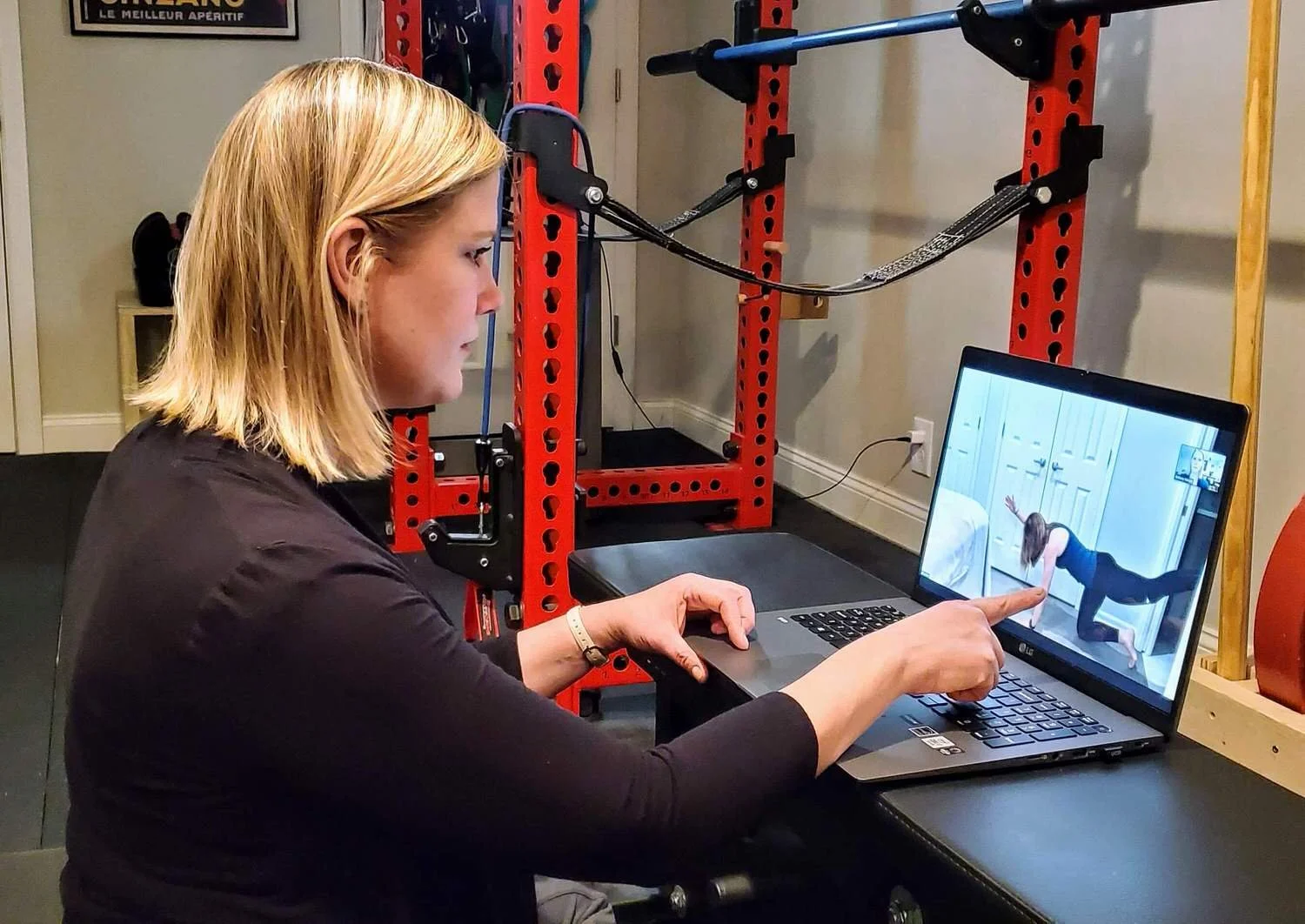
Virtual
For convenience and flexibility, this virtual option is the way to go!
What Your Visit May Include
Manual therapy (deep tissue mobilization, myofascial release, trigger point release, visceral mobilization techniques, cupping, scar tissue mobilization)
Strength, endurance, stabilization, mobility, and coordination exercises
Posture education and movement training
Relaxation, breathing, and down-training for short/tight pelvic muscles or an amped-up nervous system
Internal work to directly treat the pelvic floor muscles
Exercises to improve muscle workload balance and injury prevention
Education about your body and what you can do to maintain improvements
Dry needling for trigger point release and neuromuscular re-set
Collaboration on a custom treatment plan to achieve your goals
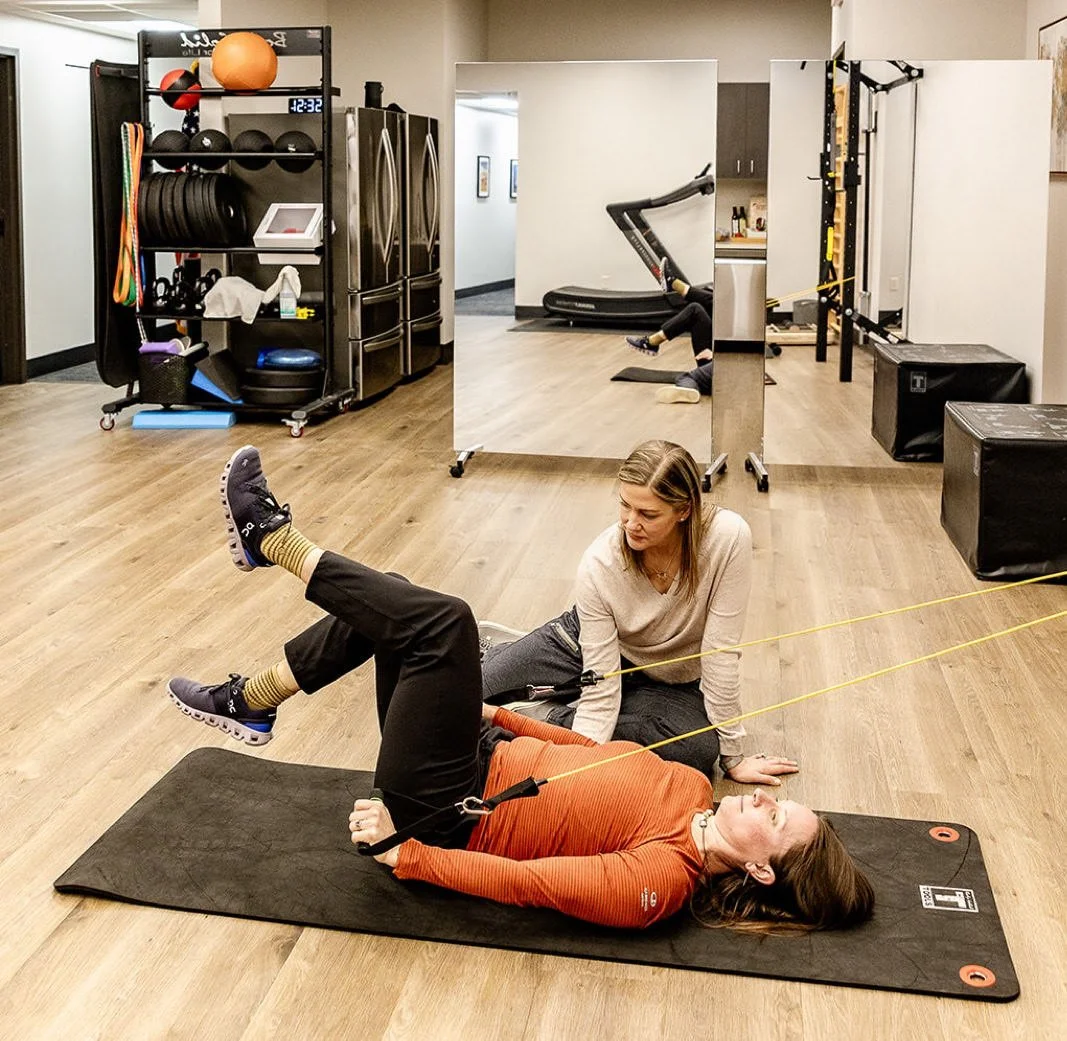
Conditions We Treat
Not sure if pelvic floor PT is right for you? Read who needs pelvic floor physical therapy to learn who benefits and why seeing a specialist matters.


Conditions We Treat - Full Index
A more detailed look at the conditions and symptoms commonly seen in practice. Each section links to a dedicated page with what to expect from treatment.
Bladder issues
- Stress urinary incontinence (leaks with cough, sneeze, laugh, jumping)
- Urge incontinence and overactive bladder
- Urinary frequency or urgency
- Difficulty emptying the bladder
- Painful bladder syndrome / interstitial cystitis
- Post-prostatectomy urinary incontinence
Bowel dysfunction
- Constipation, straining, and incomplete emptying
- Fecal incontinence and bowel urgency
- IBS-related pelvic floor dysfunction
- Pelvic floor muscle coordination issues
- Pain with bowel movements
Pelvic pain
- Chronic pelvic pain
- Vulvodynia and vestibulodynia
- Vaginismus and pelvic floor muscle overactivity
- Pudendal neuralgia
- Coccydynia (tailbone pain)
- SI joint, low back, and hip pain with a pelvic-floor component
Pregnancy and postpartum
- Pelvic girdle and pubic-symphysis pain in pregnancy
- Sciatica and low-back pain during pregnancy
- Birth preparation and pelvic-floor down-training
- Postpartum recovery and return to exercise
- Diastasis recti
- Cesarean and perineal scar tissue management
Pelvic organ prolapse
- Cystocele (bladder prolapse)
- Rectocele (rectal prolapse)
- Uterine prolapse
- Vaginal vault prolapse
- Mild-to-moderate POP management - conservative and post-surgical
Sexual health
- Dyspareunia (painful intercourse)
- Vaginismus and genito-pelvic pain
- Pelvic floor muscle dysfunction affecting arousal or orgasm
- Pain with insertion, gynecologic exams, or use of menstrual products
Endometriosis
- Pelvic floor muscle dysfunction related to endometriosis
- Pelvic-floor PT before and after excision surgery
- Scar tissue and adhesion management
- Central sensitization and pain neuroscience education
Male pelvic health
- Chronic prostatitis / chronic pelvic pain syndrome (CPPS)
- Post-prostatectomy urinary incontinence
- Pelvic-floor-related erectile dysfunction
- Post-surgical and post-radiation pelvic-floor rehab
- Pelvic, perineal, and groin pain in men
Pelvic floor in athletes
- Exercise-induced incontinence (running, jumping, lifting)
- Pelvic pressure or heaviness with sport
- Return-to-sport after pregnancy or surgery
- Breath and brace mechanics in lifters and CrossFit athletes
- Hip, SI joint, and low-back pain that’s actually pelvic-floor driven
Ready to Get Started?
Schedule your 60-minute evaluation with Dr. Bethany Hansen, DPT.
No referral needed.