

The honest, no-fluff guide you actually need.
Menopause is having a moment. A big, sweaty, totally-deserved moment. 🔥 With increased awareness and conversation around this stage of life comes something less welcome: a tidal wave of misinformation, sketchy marketing, and expensive products promising to "fix" your hormones. (The global menopause market is projected to hit $24–27 billion by 2030. Yes, that's billion with a B. 😬)
As a pelvic floor physical therapist, my job is to cut through the noise. No empty promises, no sales pitch - just the facts about what menopause actually does to your pelvic floor, what the research says helps, and how to advocate for yourself along the way.
Here's what we're covering:
The stages and symptoms of menopause
Menopause hormone therapy (MHT) - what it is and who it's for
The connection between menopause and the pelvic floor
Common pelvic floor symptoms during menopause
Genitourinary Syndrome of Menopause (GSM) - what it is and why it matters
How vaginal estrogen helps the pelvic floor
What actually helps pelvic floor symptoms after menopause
The Stages of Menopause
Perimenopause (aka "cougar puberty")
Think of perimenopause as your body trying very hard to keep doing what it has always done, even as the rulebook starts to change. Estrogen shifts erratically, progesterone declines, and follicle-stimulating hormone increases. Ovulation happens less often - but your body is still really trying. The result? Estrogen can rise and fall wildly, creating unpredictable physical and emotional symptoms.
How this can feel:
Irregular periods: cycles may be shorter, longer, heavier, crampy, or lighter - sometimes all in the same month. What fun!
Hot flashes, night sweats, heart palpitations, migraines, brain fog, and sleep disruption (thanks, erratic estrogen)
Vaginal and urinary changes: tissues become thinner, drier, and less elastic - which can make sex uncomfortable
Mood fluctuations, anxiety, and depression due to shifting neurotransmitters
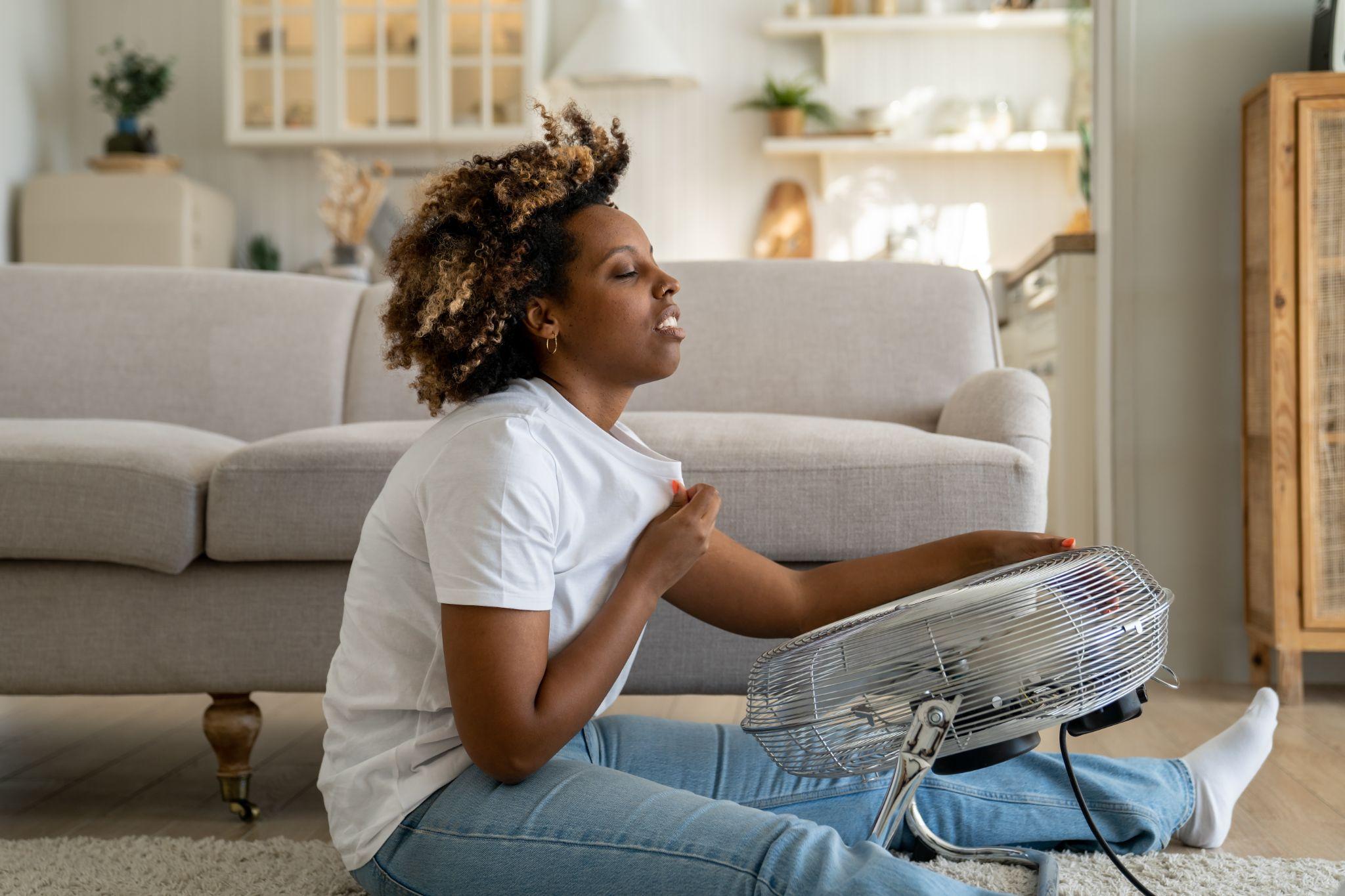
Menopause
Menopause is officially defined as 12 consecutive months without a menstrual cycle. The average age is 51, and symptoms are common for 4–5 years before and after that final period. Notably, about 25% of people sail through without hot flashes - lucky them! Symptoms tend to be worse with high stress, smoking, inactivity, and excess weight.
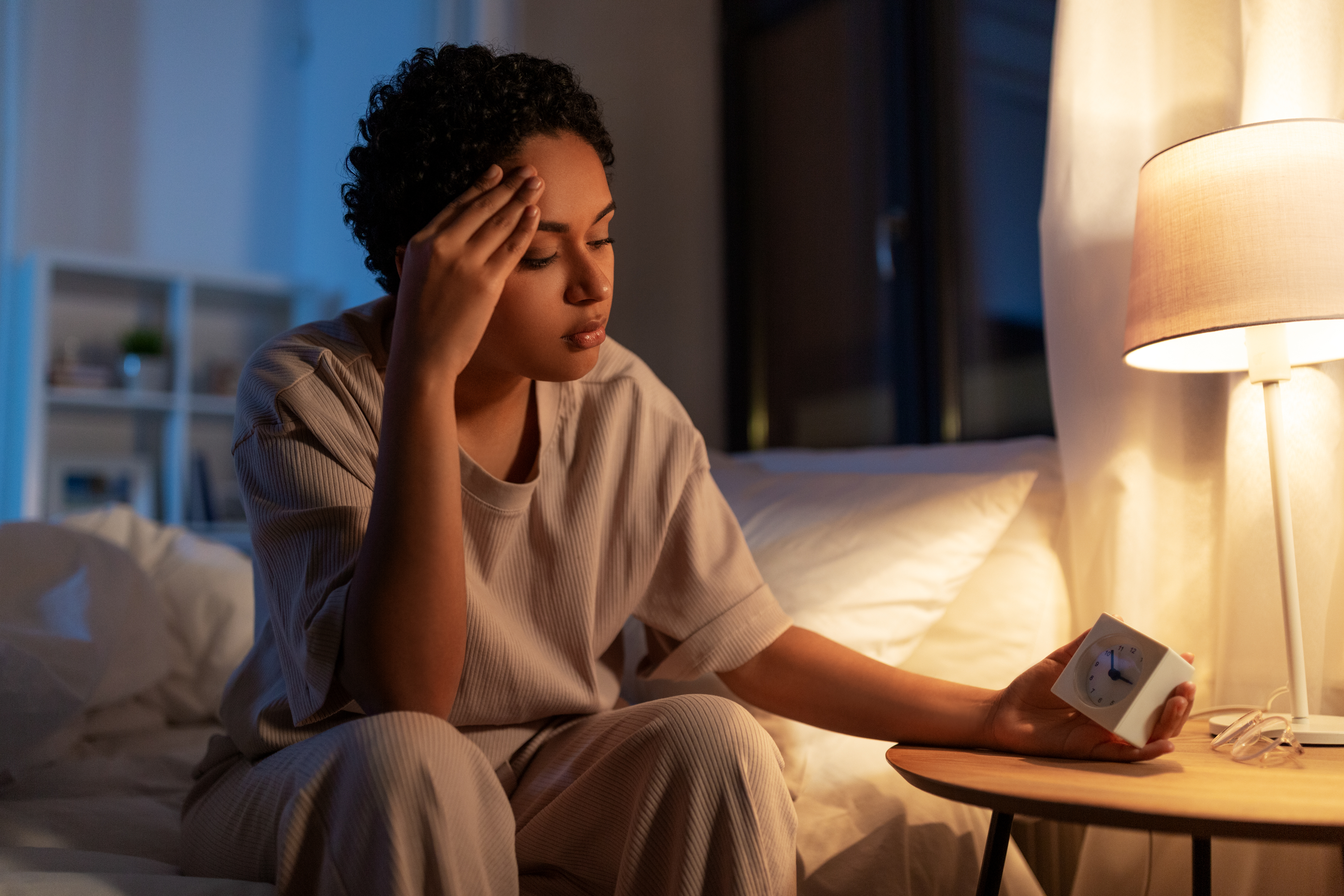
How this can feel:
Anxiety, irritability, depression, brain fog, and fatigue
Heart palpitations, hot flashes, night sweats, and sleep disruption
Bladder leakage and urinary tract infections (UTIs)
Joint pain, inflammation, or tendinopathy
Low libido and painful sex
Weight gain, especially around the midsection
Changes in skin, hair, and nails
A Quick Word on Menopause Hormone Therapy (MHT)
Pelvic PT is very effective during menopause - and it works even better alongside appropriate medical treatment. So before we get into the pelvic floor specifics, here's a brief, honest overview of your hormonal options. (Because you deserve real information, not a pamphlet from 2003.)
Key facts:
The black box warning was finally removed from all forms of estrogen in 2025. 🎉
MHT is safest when started before age 60 or within 10 years of menopause onset - but timing and dosage can be individualized with your provider.
Transdermal MHT (patch or gel) does NOT increase your risk of blood clots (DVT or pulmonary embolism).
If you have a uterus, estrogen alone isn't recommended - a combination of estrogen and progesterone is used instead.
MHT is not recommended for those with a history of hormone-positive breast cancer (though vaginal estrogen is safe - more on that below).
Typical starting options include transdermal estradiol paired with oral progesterone, a progestin IUD, or a progestin patch or gel.
"Hormone therapy remains the most effective treatment for vasomotor symptoms and genitourinary symptoms of menopause and has been shown to prevent bone loss and fracture."
— North American Menopause Society, 2022 Hormone Therapy Position Statement
Menopause and the Pelvic Floor: What's the Connection?
Here's the short version: estrogen matters a lot for your pelvic floor. And when it declines, your pelvic floor notices.
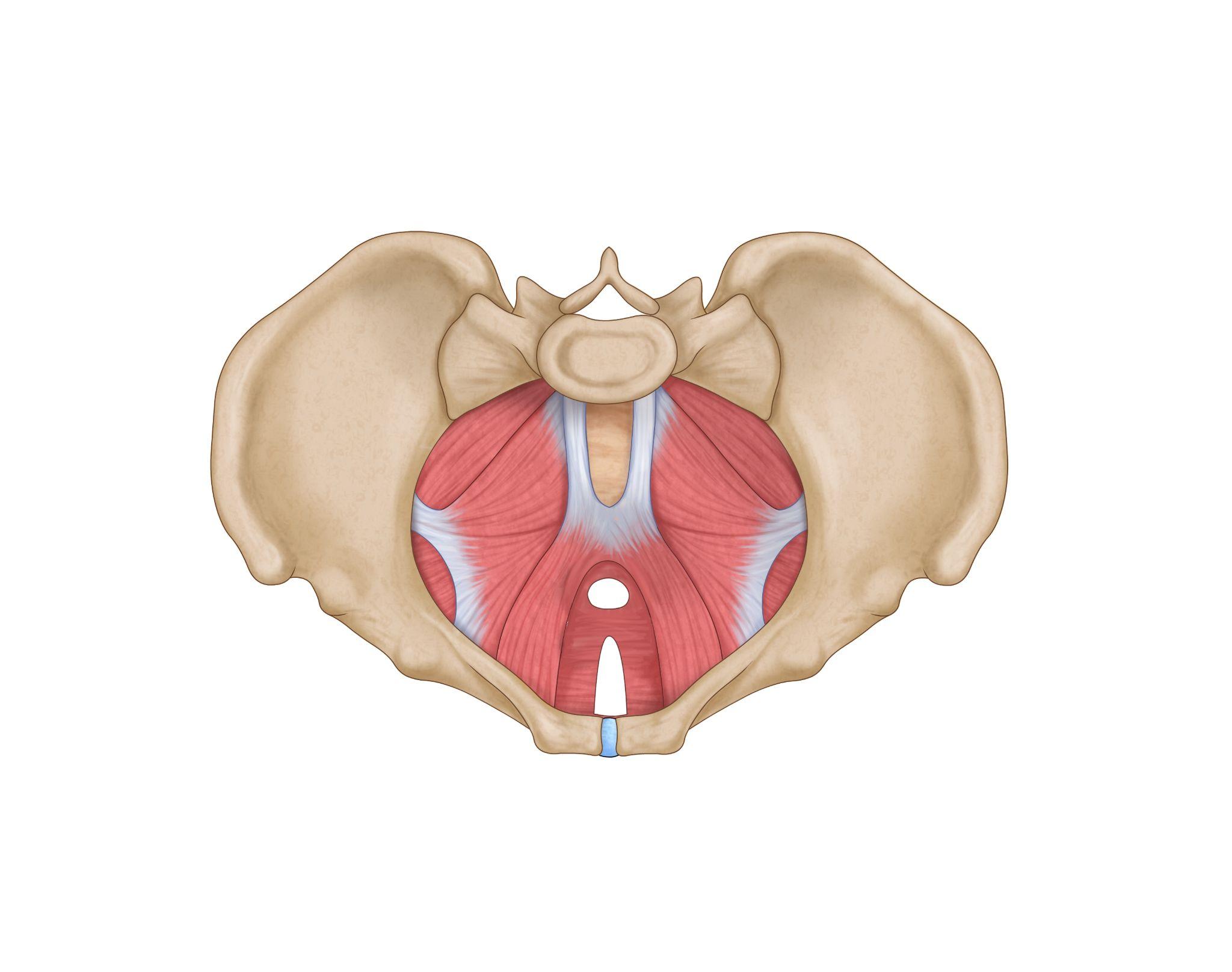
Estrogen receptors aren't just in reproductive organs - they're found throughout the brain, heart, skin, joints, muscles, bones, lungs, and digestive tract. When estrogen declines during menopause, those tissues feel it. For the pelvic floor specifically, declining estrogen levels cause:
Pelvic floor muscles to lose strength, flexibility, and endurance
Connective tissue (ligaments and fascia) to lose collagen and structural support
Tissues of the vulva, vagina, and urethra to become thinner and less elastic
Increased susceptibility to bladder leakage, prolapse, pain, and infection
Genitourinary Syndrome of Menopause (GSM)
Formerly called "vulvovaginal atrophy" (a term most people - rightfully - hated), GSM is a chronic, progressive condition caused by low estrogen during perimenopause and after. It affects the vulva, vagina, and urinary tract, and unlike hot flashes that often improve over time, GSM tends to get worse without treatment.
One study found that 84% of postmenopausal women showed signs of GSM by six years after menopause. That's not a small number - and yet it's wildly underdiagnosed and undertreated.
Symptoms of GSM include:
Genital dryness and decreased vaginal moisture
Decreased lubrication with sexual arousal
Smaller vaginal opening and shorter vaginal length
Labia minora resorption
Discomfort or pain with sexual activity, or bleeding afterward
Decreased arousal, orgasm, or desire
Irritation, burning, or itching of the vulva or vagina
Painful urination
Urinary urgency, frequency, and recurrent UTIs

GSM can also occur in younger people following cancer treatments such as chemotherapy, radiation, or surgical removal of reproductive organs - so this isn't strictly an "old age" issue.
Vaginal Estrogen: A Game-Changer for the Pelvic Floor
Vaginal estrogen is different from systemic hormone therapy. It's localized to the tissues of the vulva and vagina, and at commonly prescribed doses, it is not significantly absorbed into the bloodstream. It's safe to use alongside systemic MHT, and it is also safe for most people with a history of hormone-positive breast cancer who are taking Tamoxifen (since Tamoxifen blocks estrogen from reaching breast tissue).
Note: If you're taking an aromatase inhibitor, the evidence is a bit more nuanced - discuss risks/benefits with your oncologist.
What vaginal estrogen can do:
Improve tissue resilience and elasticity
Decrease vulvovaginal pH (more acidic = less infection-prone)
Improve the vaginal microbiome
Reduce recurrent UTIs and vaginal infections
Stimulate collagen synthesis in the pelvic floor
Help reduce urinary incontinence
Support better arousal, lubrication, and comfort during sex
Forms of vaginal estrogen (effects typically take 4–6 weeks):
Cream: Premarin, Estrace, or generic vaginal estradiol cream
Ring: Estring
Inserts/Tablets: Imvexxy, Vagifem, Yuvafem
DHEA insert: Intrarosa
Non-hormonal option: Hyaluronic acid-based vaginal moisturizer suppositories - effective, well-tolerated, and a great choice for those who prefer or require a non-hormonal approach, but they do not have the same effects of reducing or preventing infections or reducing urinary incontinence.
How Pelvic Floor PT Helps
Pelvic PT and vaginal estrogen therapy are a powerful combination - each one makes the other work better. Here's what pelvic PT can do for you during and after peri- and post-menopause:
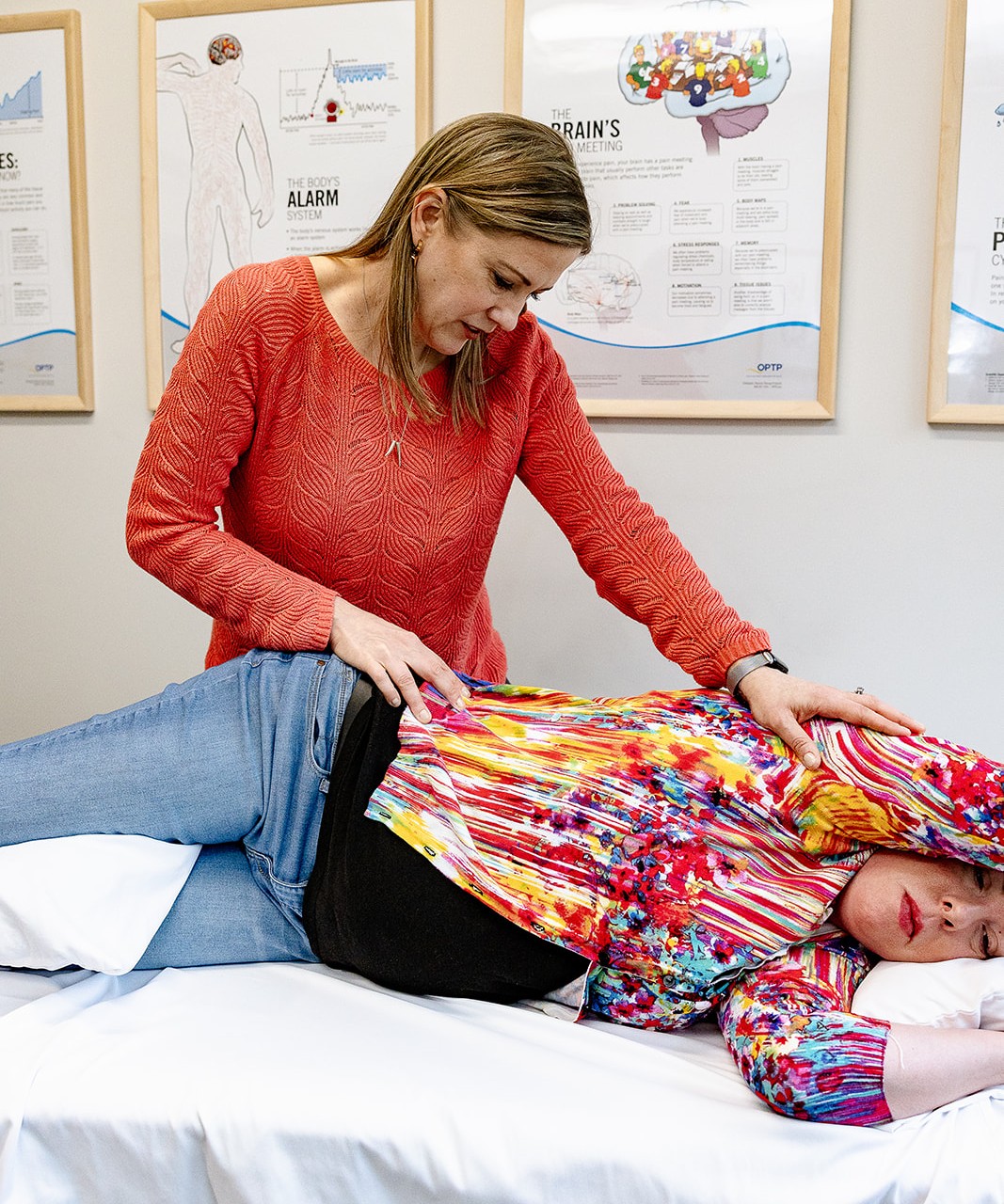
Manual therapy: Trigger point release, improved blood flow to the pelvic floor, and better brain-to-pelvic-floor connection
Pelvic floor muscle training: Research shows significant improvements in tissue dryness, itching, irritation, and elasticity, as well as pelvic floor strength, coordination, and relaxation capacity, reduced stress urinary incontinence, decreased pelvic floor tone, and reduced pain with sex (Mercier et al., 2019, 2020)
Dilators and pelvic wands: Tools to help with vaginal lengthening, tissue mobility, and pain with penetration
Pelvic floor relaxation training: Because sometimes the pelvic floor is too tight, not too weak
Education and support: Understanding responsive desire, the role of foreplay, and quality lubricant recommendations (silicone-based options like Uberlube tend to be gentler and longer-lasting)
Hip and joint work: Because hip strength and mobility have a significant impact on pelvic floor function
Referrals to complementary providers as needed, such as sexual medicine or mental health providers specializing in sexual health
The Bottom Line
Menopause is real. Its effects on the pelvic floor are real. And the good news is that most of the symptoms - leaking, pain, dryness, prolapse, recurrent UTIs - are treatable. You do not have to white-knuckle your way through the next decade hoping things improve on their own.
The combination of appropriate medical treatment (vaginal estrogen and/or MHT if appropriate) and pelvic floor physical therapy is genuinely one of the most effective approaches available. You deserve a provider who takes your symptoms seriously, gives you real information, and works with you to get the best results.
You don't have to just live with this. There is help, and there is hope. 💛
If you're in the greater Minneapolis, MN area and dealing with pelvic floor symptoms related to menopause, I'd love to help.
I offer individualized assessments and strength-based treatments to help you return to the activities you love: no judgment, just real help.
References & Resources
North American Menopause Society. (2022). The 2022 Hormone Therapy Position Statement of the North American Menopause Society.
Mercier, J., et al. (2019, 2020). Pelvic floor muscle training and menopausal symptoms.
Book recommendation: The Menopause Manifesto by Dr. Jen Gunter, MD
Book recommendation: The Ultimate Guide to Sex After 50 by Joan Price
Quality lubricant resource: uberlube.com
Did you like this blog? Here's what's next on your reading list:
Disclaimer: The information in this blog post is for general purposes only and is not intended to be used as medical advice, diagnosis, or treatment. Refer to your medical provider for all questions and concerns regarding your individual care.
Quick self-check
Curious if you might have pelvic floor dysfunction?
Take this quick self-screen. 10 yes/no questions, about a minute. Your answers stay on your device.

Did you enjoy this post? Whether you're a newbie or a pelvic pro, join the community to stay up to date with the latest and greatest in pelvic health!